Ganesha Aarti: Complete Lyrics Hindi-English & Daily Worship Guide
 Chantly EditorUpdated 44 min readHow we check texts
On this page
Read this aarti in ChantlyMeaning, audio and a mala counter. Free on Android.
Introduction
Ganesha Aarti the devotional ceremony of waving light before the elephant-headed God transforms ordinary homes into sacred temples twice daily in millions of Hindu households worldwide. This beautiful ritual reaches its peak during the vibrant ten-day Ganesh Chaturthi festival when the melodious strains of “Sukhkarta Dukhharta” and “Jai Ganesh Deva” echo from homes, temples, and community pandals across India and beyond.
The word “aarti” derives from Sanskrit “aratrika,” meaning that which removes darkness both literal and metaphorical. When devotees wave the flickering camphor flame in circular patterns before Lord Ganesha’s form while singing devotional hymns and ringing bells, they’re not just performing ritual but creating a multi-sensory experience that engages sight, sound, smell, and touch in unified worship. The light dispels darkness, the sound purifies atmosphere, the fragrance elevates consciousness, and the physical movements express embodied devotion.
Many new devotees want to perform Ganesha Aarti at home but feel intimidated by not knowing the proper procedure, correct lyrics, or the deeper meanings behind each element. Questions arise: Which aarti should I sing? What items do I need? How do I wave the lamp correctly? What do the Hindi or Marathi words mean? When is the best time? These uncertainties prevent many from establishing this beautiful practice despite genuine desire to connect with Vighnaharta the beloved remover of obstacles.
This complete guide provides everything needed to confidently perform Ganesha Aarti: understanding the structure and meaning of the two main aartis (Sukhkarta Dukhharta in Marathi and Jai Ganesh Deva in Hindi), step-by-step worship procedure covering all required items and their symbolism, comprehensive spiritual and practical benefits backed by both tradition and modern understanding, proper timing for daily practice and special occasions, beginner-friendly guidance that removes intimidation, and insights into how this simple yet profound practice connects devotees with the divine presence that removes obstacles and bestows blessings.
Whether preparing for Ganesh Chaturthi celebrations, establishing daily home worship, or simply seeking deeper connection with the elephant-headed deity beloved by millions, this guide offers practical wisdom for transforming devotion into tangible daily practice.
Understanding the Two Main Ganesha Aartis
Hindu tradition offers two primary aartis for Lord Ganesha, each with distinct origins, languages, and devotional flavors.
Sukhkarta Dukhharta: The Most Popular Ganesha Aarti
The Sukhkarta Dukhharta aarti holds special place in Ganesha worship, particularly during Ganesh Chaturthi when it resonates from countless homes and pandals. Composed in Marathi the language of Maharashtra where Ganesh Chaturthi originated as a major public festival this aarti has been adopted enthusiastically across all of India and by the global Hindu diaspora.
The opening verse captures the essence of Ganesha worship:
“Sukhkarta Dukhharta Varta Vighnachi,
Nurvi Purvi Prem Kripa Jayachi”
This translates as: “O giver of happiness and remover of sorrow, destroyer of obstacles, please shower your love and grace upon us abundantly from all directions.” In just two lines, the aarti encapsulates Ganesha’s fundamental nature he grants happiness (sukh), removes sorrow (dukh), destroys obstacles (vighna), and showers love and grace (prem and kripa) on devotees who call upon him sincerely.
The name “Sukhkarta Dukhharta” itself reveals the dual blessing devotees seek: someone who actively creates happiness (karta means doer/maker) and someone who removes suffering. This isn’t passive blessing but active intervention Ganesha doesn’t merely witness devotees’ difficulties but takes direct action to transform their circumstances.
The aarti contains eight verses, each praising different aspects of Ganesha’s form, family, attributes, and divine functions. The verses describe his single tusk (ekdanta), his vehicle (the mouse Mushika), his love of modaks (sweet dumplings), his parents Shiva and Parvati, his brothers Kartikeya and other deities, and his supreme position as the deity worshipped first before all others.
The poetic Marathi language creates beautiful musical flow when sung, with rhythmic patterns that naturally inspire devotional swaying and clapping. The repetitive structure helps devotees easily memorize the verses through regular practice, and the simple yet profound meanings make it accessible to everyone from children to elders.
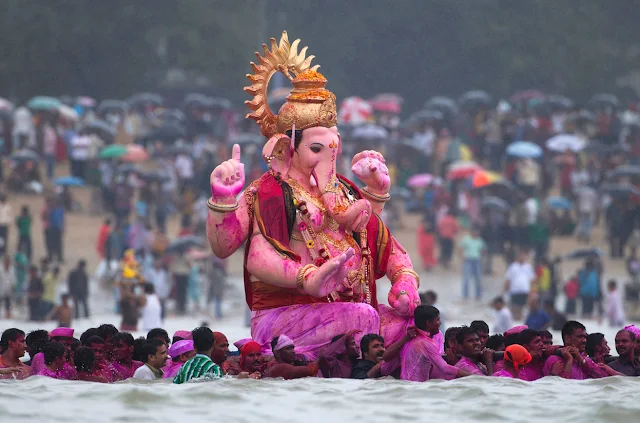
During Ganesh Chaturthi, when families bring Ganesha murtis (idols) home for 1.5, 3, 5, 7, or 10 days, this aarti forms the centerpiece of twice-daily worship. The familiar melody creates immediate devotional atmosphere, and singing together strengthens family bonds while honoring the beloved elephant-headed God. Many families have specific members who lead the aarti often grandmothers or mothers who’ve sung these verses for decades, now teaching younger generations.
The Sukhkarta Dukhharta aarti isn’t just for festivals. Countless households incorporate it into daily evening worship throughout the year. The practice creates comforting routine after completing the day’s activities, family members gather before the home altar, light the lamp, ring the bell, and together sing these ancient verses, reminding themselves that regardless of the day’s successes or failures, Ganesha’s grace remains constant and available.
Jai Ganesh Deva: The Traditional Hindi Aarti
The Jai Ganesh Deva aarti represents the classical North Indian tradition of Ganesha worship, composed in simple accessible Hindi that even children can understand and memorize easily.
The opening lines establish the basic framework:
“Jai Ganesh Jai Ganesh Jai Ganesh Deva,
Mata Jaki Parvati Pita Mahadeva”
Translation: “Victory to Lord Ganesha, victory to Lord Ganesha, victory to Lord Ganesha! Whose mother is Parvati and whose father is Mahadeva (Shiva).”
The repetition of “Jai Ganesh” (Victory to Ganesha) three times isn’t mere redundancy but creates rhythmic momentum that naturally builds devotional energy. Each repetition intensifies the invocation, like knocking increasingly louder on the divine door until it opens. This call-and-response structure works beautifully in group settings where leaders sing the verses while others join the “Jai Ganesh” refrain.
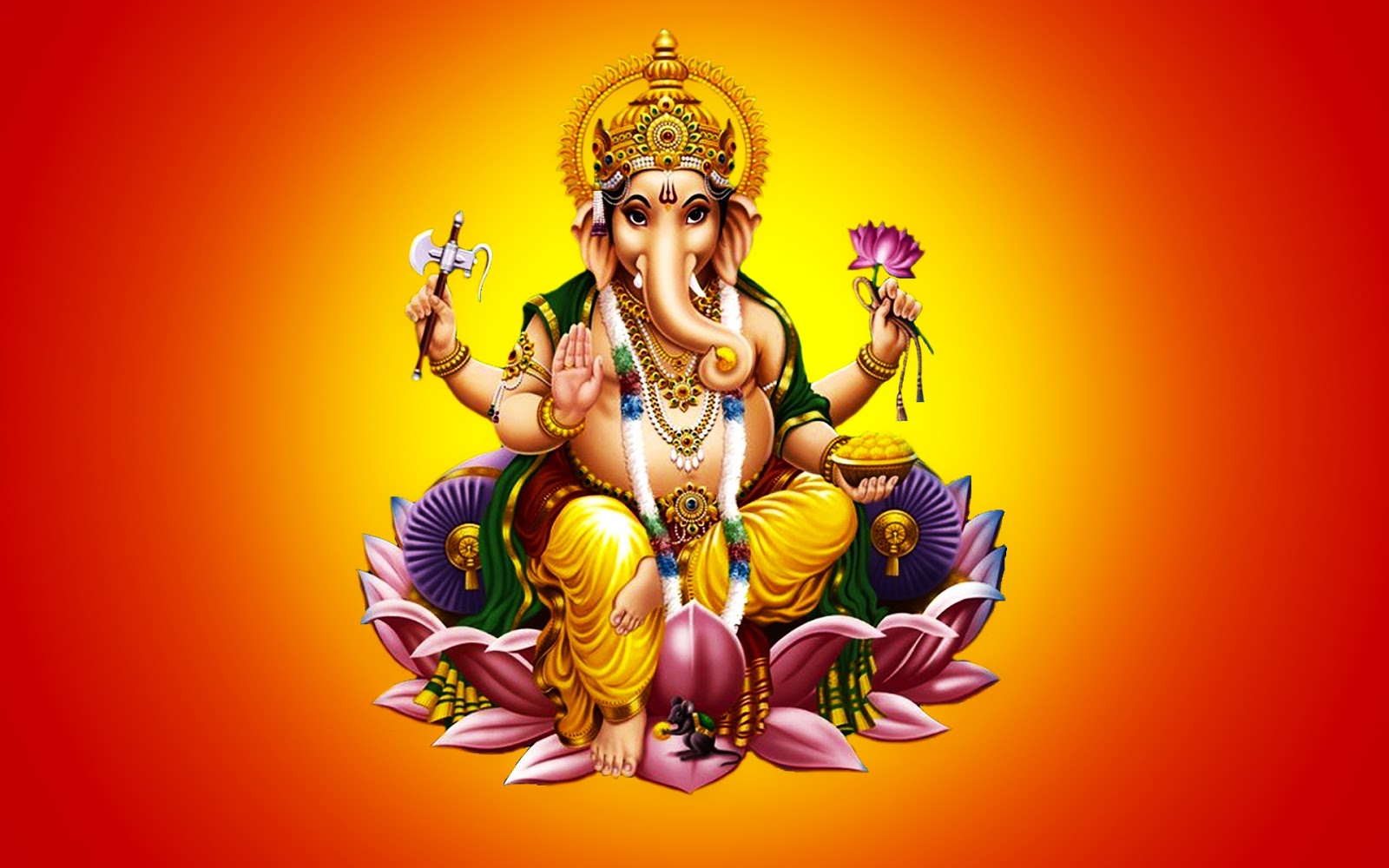
The aarti systematically describes Ganesha’s physical form in vivid detail. It mentions his large elephant head, his single prominent tusk (the other broken in various mythological incidents), his big belly that digests both food and the universe’s sufferings, his four arms holding various symbolic objects (noose, goad, modak, blessing gesture), his vehicle the humble mouse representing ego tamed and controlled, and his colorful ornaments and decorations.
Beyond physical description, the Jai Ganesh aarti narrates Ganesha’s divine family relationships. Verses describe his mother Parvati’s love, his father Shiva’s blessing, his brother Kartikeya’s companionship, and his position as beloved elder son of the divine couple who rules Mount Kailash. These family elements make Ganesha approachable he’s not distant abstract divinity but part of a family structure devotees can relate to emotionally.
The aarti also emphasizes Ganesha’s functional attributes: as Vighnaharta (obstacle remover), as provider of Riddhi-Siddhi (prosperity and spiritual powers), as patron of arts and sciences, as guardian who must be worshipped first before any other deity, and as the supreme intelligence who composed the Mahabharata as Sage Vyasa dictated it at impossible speed.
The language’s simplicity makes this aarti particularly suitable for daily home worship. Parents teaching children their first prayers often start with Jai Ganesh Deva because the straightforward Hindi vocabulary and clear imagery help young minds grasp who Ganesha is and why devotees worship him. The mental pictures created elephant head, mouse vehicle, big belly, modak in hand give concrete form to abstract devotional concepts.
Many families make this their standard daily aarti regardless of season or occasion, reserving the more elaborate Sukhkarta Dukhharta for festivals and special occasions. This division works well the shorter, simpler Jai Ganesh Deva fits easily into busy weeknight schedules, while the longer Marathi aarti creates appropriate festive atmosphere during Chaturthi.
Key Themes Present in Both Aartis:
Despite their different languages and origins, both aartis emphasize consistent themes that reveal core truths about Ganesha worship:
Ganesha as Vighnaharta: Both aartis repeatedly invoke Ganesha’s primary function removing obstacles (vighna). Whether physical barriers preventing success, mental obstacles like doubt and confusion, emotional obstacles like fear and anger, or spiritual obstacles blocking enlightenment, Ganesha clears the path. This isn’t magical thinking but recognition that sincere devotion creates psychological shifts that help devotees see solutions they previously missed and find courage they didn’t know they possessed.
Provider of Riddhi-Siddhi: Both aartis mention Riddhi (material prosperity, wealth, success) and Siddhi (spiritual accomplishments, supernatural powers, attainments). Traditional teaching holds that Ganesha’s two wives embody these principles Riddhi represents worldly fulfillment while Siddhi represents spiritual achievement. Worshipping Ganesha provides balanced blessings addressing both material needs and spiritual aspirations without requiring devotees to choose between them.
Bestower of Wisdom and Knowledge: As the deity of intellect (buddhi), Ganesha grants discriminating wisdom that distinguishes real from unreal, beneficial from harmful, eternal from temporary. Both aartis invoke this wisdom-granting aspect, making Ganesha worship particularly popular among students, scholars, writers, and anyone engaged in intellectual pursuits. The tradition of invoking Ganesha before beginning learning, writing, or any significant mental work acknowledges that true intelligence comes not just from training but from divine grace illuminating consciousness.
Protector and Benefactor: Both aartis portray Ganesha as personally invested in devotees’ welfare not a distant cosmic principle but an accessible divine friend who responds to sincere calls for help. This personal relationship aspect makes Ganesha worship emotionally satisfying. Devotees feel they’re addressing someone who cares about their specific problems rather than performing abstract ritual to impersonal forces.
The Choice Between Aartis:
Most families develop preference based on regional background, family tradition, or personal connection. Maharashtra-origin families naturally gravitate toward Sukhkarta Dukhharta while North Indian families often prefer Jai Ganesh Deva. However, these aren’t exclusive choices many devotees learn both, using Sukhkarta during festivals when they want the fuller, more elaborate expression, and Jai Ganesh for daily practice when brevity matters.
Some families create hybrid practice: sing one verse of each aarti, combining both traditions in single ceremony. Others alternate Sukhkarta on festival days and Wednesdays (Ganesha’s weekday), Jai Ganesh on other days. The flexibility reflects Hinduism’s general principle that sincere devotion matters more than rigid adherence to single method.
For new devotees unsure which to learn first, the practical approach is starting with whichever aarti you can find good audio recordings for in your language. YouTube offers countless versions of both aartis by famous devotional singers, temples, and individual practitioners. Listen repeatedly until the melody becomes familiar, then practice singing along until comfortable chanting independently.
Accessing Complete Lyrics:
For copyright reasons, we cannot reproduce the complete copyrighted aarti texts here. However, both aartis are widely available through legitimate sources:
For Sukhkarta Dukhharta:
- YouTube videos with synchronized Hindi/English lyrics
- Ganesh temple websites offering downloadable texts
- Devotional songbooks published by traditional publishers
- Mobile apps dedicated to Hindu aartis and bhajans
For Jai Ganesh Deva:
- Similar YouTube resources with lyrics
- Prayer books available at temple bookshops
- Online Hindu scripture repositories
- Family elders who often know these verses by heart
The best learning method combines listening to traditional recordings (to learn proper melody and pronunciation) with following along using text (to understand meanings). Within a week of daily practice, most people memorize at least the opening verses, gradually expanding their knowledge through consistent exposure.
Complete Aarti Procedure Step-by-Step
Performing Ganesha Aarti properly requires understanding both the physical elements and their spiritual symbolism. While the procedure might initially seem complex, it quickly becomes natural through regular practice.
Assembling the Aarti Thali (Worship Plate):
The aarti thali serves as portable altar containing all necessary elements. Traditional thalis are brass or copper plates with decorative engravings, though simple stainless steel plates work perfectly fine. What matters is maintaining cleanliness and using the thali exclusively for worship rather than ordinary purposes.
Essential Items for the Thali:
The Aarti Diya (Lamp): This is the centerpiece of aarti ritual. Traditional diyas are small brass or copper lamps shaped like elongated bowls with spouts for wicks. The lamp should hold ghee (clarified butter) or pure sesame oil as fuel. Cotton wicks are rolled and placed in the spout(s). Five-wick lamps (panchapradeep) are considered most auspicious, with each flame representing one of the five elements (earth, water, fire, air, space) being offered to the deity.
The diya’s symbolism is profound: the ghee represents purity, the wick represents the ego-self, and the flame represents divine knowledge. As the flame burns, it consumes the wick just as divine knowledge dissolves the ego. The light represents consciousness dispelling ignorance’s darkness.
Camphor (Kapoor): Pure camphor pieces, usually stored in a small silver or brass container on the thali. Camphor is unique among substances it burns completely without leaving residue or smoke, making it perfect symbol for ego dissolution. When camphor burns during aarti’s finale, it represents the ideal spiritual state: complete consumption in divine fire leaving no trace of separate selfhood.
Some families use camphor tablets, others use small natural camphor pieces. Natural camphor is preferred but harder to find and more expensive than synthetic versions. Whatever type used, ensure it’s fresh old camphor loses its pure burning quality.
Fresh Flowers: Red hibiscus flowers are traditional for Ganesha, though any fresh, fragrant flowers work. The flowers should be offered with stems removed, placing only the blooms on the thali. Red represents active energy and devotion, while the flower’s natural beauty represents consciousness blooming in divine presence. Gather 5-11 flowers depending on family size and availability.
Some families include tulsi (holy basil) leaves, though technically tulsi isn’t offered to Ganesha in some traditions. Marigolds, jasmine, and rose petals are all appropriate alternatives if hibiscus isn’t available.
Incense Sticks (Agarbatti): Use odd numbers 1, 3, or 5 sticks. Sandalwood, rose, or special Ganesha-specific incense fragrances work well. The fragrance purifies the atmosphere while the smoke symbolizes prayers rising to heaven. Light the incense at aarti’s beginning, letting them burn throughout the ceremony, creating aromatic ambience that enhances devotional mood.
Bell (Ghanti): A hand-held brass or copper bell, traditionally rung continuously during aarti. The sound serves multiple purposes: it purifies the atmosphere through vibrational frequency, signals the divine presence, and keeps the worshipper’s mind focused. The bell’s clear ringing prevents mental wandering, while its association with temple worship creates immediate devotional consciousness even in home settings.
Conch Shell (Shankh): Optional but traditional, especially for morning aarti. Blown three times before beginning, the conch’s deep sound eliminates negative energies and announces the worship’s commencement. In homes where blowing the conch might disturb neighbors, this element can be skipped or replaced with simply ringing the bell more elaborately.
Small Water Bowl: For sprinkling purifying water (abhishekam) on the deity and devotees. The water should be pure drinking water, sometimes with a few tulsi leaves or a pinch of kumkum added. A small spoon or the right hand’s fingers can be used for sprinkling.
Red Cloth: Traditional thalis are lined with red cloth before arranging the items. Red represents active devotion, energy, and auspiciousness. The cloth also protects the metal thali from heat if burning camphor is placed directly on it.
Optional Items:
Peacock Feather: Associated with Ganesha in some regional traditions, a small peacock feather can be placed on the thali or used to ceremonially fan the deity.
Fresh Fruit: Small offerings of banana, coconut, or other fruits Ganesha loves can be placed on the thali or near the altar.
Modak: Ganesha’s favorite sweet either real fresh modaks or symbolic representations can be offered during aarti, later distributed as prasad.
Complete Step-by-Step Aarti Procedure:
Phase 1: Pre-Aarti Preparation
Before beginning the aarti ceremony, complete the regular puja (worship) ritual:
Clean the Altar: Wipe down the shelf or table where Ganesha’s image or murti sits. Traditionally, sacred spaces are cleaned with a mixture of water and cow dung, but in modern homes, simply ensuring cleanliness and dusting suffices.
Bathe the Idol: If using a metal or stone murti, gently pour clean water over it while chanting “Om Gan Ganapataye Namah.” Wipe dry with a clean cloth. For paper pictures or non-washable idols, simply wipe gently with a damp cloth.
Apply Sacred Substances: Apply a small amount of chandan (sandalwood paste) to Ganesha’s forehead, creating a vertical tilak. Then apply kumkum (red vermillion powder) over the chandan, creating the traditional tilak mark. Some families also apply turmeric (haldi), creating a three-part marking representing the three qualities (gunas) of nature.
Dress and Decorate: If the murti is large enough, place fresh flowers in the deity’s hands or around the form. Some families drape colorful cloth around larger murtis. Place a garland (mala) around Ganesha’s neck if available.
Offer Food (Naivedya): Present modaks, coconut, fruit, or other sweets before the deity, symbolically offering the deity his meal before the family eats. This food becomes prasad (blessed food) after the aarti, distributed to all family members.
This preparatory puja takes 5-10 minutes, transforming ordinary space into sacred environment ready for the aarti ceremony.
Phase 2: Beginning the Aarti
Light the Elements: Standing before the altar, light the incense sticks first, waving them briefly before the deity before placing them in the holder. Then light the ghee lamp’s wicks, ensuring all five wicks (if using panchapradeep) ignite evenly. The lighting itself should be done mindfully, treating the flame as manifestation of divine consciousness.
Sound Announcement: If using a conch shell, blow it three times short blast, short blast, longer concluding blast. This traditional pattern signals to the household and subtle realms that worship begins. If no conch, ring the bell three times clearly. Some families combine both conch followed by bell creating elaborate announcement.
Initial Offerings: Before beginning the main aarti, perform brief preliminary offerings:
- Hold the lit incense before the deity, waving it gently in a vertical figure-eight pattern, symbolically offering the air element and fragrance
- Sprinkle a few drops of water toward the deity using the right hand, symbolizing purification
- Ring the bell steadily while doing these preliminary offerings
Phase 3: The Main Aarti Sequence
Now begin the elaborate aarti ceremony following the traditional panchopachar (five-fold offering) method:
Offering 1: Dhoop (Incense)
Hold the burning incense sticks in your right hand. While continuously ringing the bell with your left hand, wave the incense before Ganesha in slow circular patterns. The traditional method prescribes specific numbers of circles at different body levels:
- Four circles at the feet level
- Two circles at the navel/stomach level
- Two circles at the chest/heart level
- Two circles at the face/head level
- Seven complete circles covering the entire form from head to toe
Each circular motion should be clockwise (when viewed from the worshipper’s perspective, the motion goes right to left to right). This clockwise direction follows the path of the sun and represents auspicious movement in Hindu tradition.
While waving the incense, many devotees begin softly chanting or humming the opening lines of the aarti. The combined sound of bell, soft chanting, and the visual beauty of smoke swirling in lamplight creates immediate devotional atmosphere.
Offering 2: Deep (Lamp)
This is the primary and most essential element of aarti. Hold the lit ghee lamp in your right hand by its base, ensuring your palm supports the lamp firmly. Continue ringing the bell with your left hand the bell should ring throughout the entire aarti ceremony, only pausing briefly when you need both hands.
Wave the lamp following the same circular pattern as the incense: four circles at feet, two at navel, two at chest, two at face, and seven complete circles encompassing the full form. Move smoothly and gracefully, not too fast (which creates chaotic energy) nor too slow (which loses rhythmic momentum).
As you wave the lamp, this is when the full aarti song begins. Sing with devotion and attention, not mechanically. If performing as a family, one person waves the lamp while others sing, clap, or play small cymbals (manjira) to maintain rhythm.
The lamp-waving continues through all verses of the aarti. For Sukhkarta Dukhharta, this means approximately 3-4 minutes of continuous circular motions. For Jai Ganesh Deva, slightly less. The repetitive circular motion creates hypnotic effect, helping the mind settle into devotional focus rather than wandering to mundane concerns.
Understanding the Circular Motion’s Symbolism:
The specific number of circles at each body level carries meaning:
Four circles at the feet: Represents the four goals of human life (purusharthas) dharma (righteous living), artha (prosperity), kama (legitimate desires), and moksha (liberation). Circling the feet acknowledges that Ganesha grants all four goals.
Two circles at the navel: Represents duality male/female, sun/moon, day/night, manifest/unmanifest. The navel also symbolizes the manipura chakra, the energy center governing willpower and transformation.
Two circles at the chest: Represents the two wings of spiritual progress jnana (knowledge) and bhakti (devotion). The chest also contains the anahata (heart) chakra, center of love and compassion.
Two circles at the face: Represents the two eyes through which the deity sees devotees and through which devotees behold the divine. Some interpretations connect this to the two main energy channels (ida and pingala) meeting at the third eye.
Seven complete circles: Represents the seven chakras (energy centers) being aligned and purified through the aarti, or the seven days of the week being offered to divine service.
While traditional teaching provides these interpretations, most devotees don’t consciously think about symbolism during aarti. The pattern has been performed for centuries, and its power comes partly from participation in this timeless choreography.
Offering 3: Jalabhishek (Water Offering)
After completing the lamp-waving and finishing the aarti song, some traditions include offering water. Hold the conch shell or small bowl containing water. Circle it before the deity following the same pattern, then sprinkle a few drops toward the deity’s form using your right hand fingers. This represents offering the water element and symbolically bathing the deity with devotion.
Offering 4: Vastra (Cloth Offering)
Hold a clean cloth napkin or small towel in your right hand. Wave it before the deity following the circular pattern, symbolically offering clothing and also ceremonially wiping the deity after the water offering. While modern practice often simplifies this to just waving the cloth, traditional practice involved literally wiping the murti.
Offering 5: Pushpa (Flower Offering)
Take the fresh flowers from the thali. Hold them cupped in both hands, bow respectfully, then place them at Ganesha’s feet or offer them individually at the deity’s hands, head, and body. As you offer each flower, you can chant “Om Gan Ganapataye Namah” or simply offer with silent devotion.
Some families combine the flower offering with the lamp-waving, placing flowers with one hand while continuing to wave the lamp with the other. The method matters less than the devotional sincerity.
Phase 4: The Camphor Finale
The camphor offering represents the aarti’s climax and most spiritually significant moment:
Lighting the Camphor: Take a piece of camphor and place it in a small dedicated camphor holder (karpur arati) or directly on the thali if it has a safe spot. Light the camphor using the flame from the main lamp. As camphor ignites quickly and burns hot, be careful not to burn your fingers.
Final Offering: Hold the burning camphor by its base (if using a holder with a handle) or carefully hold the thali. Wave it before Ganesha following the same circular pattern, but this time with special focus and devotion. Many families sing the concluding verse of the aarti or simply chant “Om Gan Ganapataye Namah” repeatedly as the camphor burns.
The sight of pure white camphor flame, the intense light it creates, and the sweet fragrance of burning camphor create peak devotional moment. The camphor’s complete consumption without residue symbolizes the ego being completely dissolved in divine consciousness this is the aarti’s ultimate spiritual message.
Taking Blessings: As the camphor continues burning, bring it close to your own face, waving your hands over the flame and touching them to your forehead, eyes, and top of head. This gesture represents accepting the deity’s blessings the light representing divine grace now being taken into oneself.
Pass the camphor to all family members present, each person similarly waving hands over the flame and touching their forehead. This communal sharing of blessings strengthens family spiritual bonds.
Extinguishing Safely: Once everyone has received blessings, extinguish the camphor flame by placing it in the water bowl on the thali. The sizzling sound as fire meets water represents the union of opposites another profound symbol of spiritual integration.
Phase 5: Conclusion
Final Prayers: After the camphor is extinguished, offer final prayers. Common closing prayers include:
- “Ganapati Bappa Morya!” (the famous Ganesh Chaturthi chant)
- Complete prostration (dandavat pranam) touching forehead to ground
- Circumambulation (pradakshina) walking clockwise around the deity if space allows
- Silent personal prayer expressing gratitude and requests
Prasad Distribution: The food offered during puja has now become prasad blessed food carrying divine grace. Distribute it to all family members and any guests present. Eating prasad with devotion is itself considered form of worship.
The water from the water bowl (after camphor has been extinguished and cooled) can be sprinkled around the house for purification or consumed as teertha (blessed water) with the right hand.
Aarti Plate Passing: Some families practice passing the aarti thali to each person present, allowing everyone to briefly wave it before the deity. This democratic participation ensures everyone actively engages rather than passively watching. It’s particularly meaningful for children, giving them hands-on connection to the ritual.
Storing the Thali: After aarti concludes, clean the thali, extinguish any remaining flames safely, and store everything in a designated clean place. The aarti thali should be kept separate from ordinary kitchen items, respecting its sacred purpose.
Common Variations and Simplifications:
While the above represents complete traditional method, variations exist based on family tradition, time constraints, and resources:
Simplified Daily Version: For daily morning or evening aarti when time is limited:
- Skip the elaborate pre-puja bathing and decoration
- Light lamp and incense only (skip conch, water offering, cloth offering)
- Wave lamp while singing one full aarti
- Complete with camphor and prasad distribution
- Total time: 5-7 minutes
Extended Festival Version: During Ganesh Chaturthi or special occasions:
- Include all traditional elements
- Sing multiple aartis (both Sukhkarta and Jai Ganesh)
- Add additional bhajans (devotional songs) after aarti
- Include elaborate flower decoration
- Perform formal pradakshina (circumambulation)
- Extended prasad distribution to neighbors and community
- Total time: 20-30 minutes
Children’s Participation:
Involving children creates beautiful family bonding while teaching spiritual values:
- Young children can ring small bells or clap rhythmically
- Older children can hold and wave the incense
- Teenagers can lead the aarti, waving the lamp while family sings
- Everyone participates in singing
- Children help distribute prasad afterward
Making aarti participatory rather than performative (adults performing while children watch) ensures the tradition continues to next generations with genuine understanding and affection rather than mere obligatory compliance.
Modern Adaptations:
Contemporary families adapt aarti to modern living situations:
Apartment Living: When space is very limited, the altar might be a small shelf or corner. A single diya (lamp) and camphor suffice, with the full thali setup optional.
Busy Schedules: Working families might only manage evening aarti on weekdays, doing elaborate morning aarti on weekends. Consistency matters more than duration.
Mixed-Faith Families: In interfaith marriages, the Hindu partner might perform personal aarti while the non-Hindu partner respectfully observes or participates at their comfort level. Aarti’s visual beauty and family bonding aspects often appeal even to those from different religious backgrounds.
Health Limitations: For elderly or disabled family members unable to stand throughout aarti, sitting while performing the ritual is completely acceptable. Devotion matters infinitely more than physical capability.
The key principle underlying all variations: sincere devotion and consistency matter more than elaborate perfection. Ganesha is famous for his non-judgmental acceptance of all devotees. Even a simple lamp lit with genuine love brings his blessing.
Comprehensive Benefits of Ganesha Aarti
Performing Ganesha Aarti regularly brings transformation touching every dimension of existence material, mental, emotional, and spiritual.
Obstacle Removal: The Primary Blessing
Ganesha’s most famous epithet is Vighnaharta the remover of obstacles. This isn’t metaphorical but describes devotees’ consistent experience across centuries. Sincere aarti practice creates conditions where obstacles that seemed insurmountable either disappear completely or become manageable.
The obstacles Ganesha removes span multiple categories:
Physical Obstacles: Concrete barriers preventing progress lack of resources, geographical distance, health limitations, or external resistance from circumstances or people. Devotees report that after establishing consistent aarti practice, these physical blocks often resolve through unexpected opportunities, sudden help from unlikely sources, or circumstances shifting favorably.
Mental Obstacles: Internal barriers like confusion, indecision, lack of clarity about direction, or intellectual difficulties understanding complex subjects. The enhanced clarity that comes from regular devotion helps devotees see solutions they previously couldn’t perceive and make decisions that previously felt impossible.
Emotional Obstacles: Psychological barriers like fear, self-doubt, anger, jealousy, or attachment that prevent healthy action. The emotional stability developed through devotional practice gradually dissolves these toxic patterns, creating space for confidence, generosity, and balanced perspective.
Spiritual Obstacles: Blocks preventing spiritual progress skepticism, spiritual laziness, distraction by worldly pleasures, or subtle pride about spiritual accomplishments. Ganesha’s grace helps serious seekers overcome these subtle barriers that often prove more challenging than obvious worldly obstacles.
The obstacle-removing function applies particularly to new beginnings. Traditional wisdom prescribes invoking Ganesha before starting any significant undertaking new business, new home, new marriage, new job, new journey, new learning. The practice creates auspicious start, removing potential barriers before they manifest. This isn’t superstition but practical psychology beginning with devotional focus creates positive mental state and clear intention that naturally supports success.
Wisdom and Enhanced Intelligence
Ganesha is the deity of buddhi discriminating intelligence that goes beyond mere information processing to true wisdom. Regular aarti practice enhances cognitive function and decision-making in measurable ways:
Academic Benefits: Students who perform daily Ganesha aarti consistently report improved comprehension, better retention of learned material, enhanced exam performance, and decreased test anxiety. Whether through divine intervention or the psychological confidence and focus created by devotional routine, the academic benefits are tangible enough that many educational institutions in India incorporate Ganesha worship into their culture.
Professional Decision-Making: Business professionals and executives find that regular aarti practice improves their strategic thinking, helps them see patterns others miss, and supports wise decisions under pressure. The mental clarity and emotional stability from devotion translate into better professional judgment.
Creative Enhancement: Writers, artists, musicians, and other creative professionals report that Ganesha worship enhances creative flow, removes “writer’s block” or creative stagnation, and helps them access deeper inspiration. Ganesha himself, according to tradition, served as scribe for the Mahabharata the world’s longest epic poem writing at incredible speed as Sage Vyasa dictated without pause.
Life Wisdom: Beyond academic or professional intelligence, Ganesha grants prajna the deep wisdom about life’s purpose, relationships, proper conduct, and spiritual truth. This wisdom helps devotees navigate life’s complexities with grace, making choices aligned with dharma even when those choices aren’t obvious or easy.
The intelligence enhancement isn’t magical brain transformation but comes through multiple mechanisms: reduced mental clutter from stress and anxiety, improved focus from devotional discipline, enhanced intuition from regular connection with higher consciousness, and the confidence to trust one’s own judgment rather than being paralyzed by self-doubt.
Prosperity and Material Success
While Ganesha is ultimately a spiritual deity, his worship brings tangible material benefits a recognition that spiritual and material aren’t opposed but interconnected:
Financial Abundance: Devotees report increased income, unexpected financial windfalls, successful business ventures, and general financial stability after establishing consistent aarti practice. The mechanism combines divine grace with psychological factors the confidence and clarity from devotion support better financial decisions and more effective work performance.
Career Advancement: Job promotions, successful interviews, positive recognition from superiors, and smooth career progression correlate with regular Ganesha worship. Again, causation is complex is this divine intervention, or does devotional practice create the positive mindset and focused energy that naturally attracts professional success? Traditional teaching would say both simultaneously.
Business Success: Entrepreneurs and business owners particularly value Ganesha worship. Many shops and businesses display Ganesha images prominently, perform morning aarti before opening, and credit their commercial success to his blessings. The practice creates auspicious environment while also providing daily ritual that centers the business owner’s mindset before beginning the day’s activities.
Riddhi-Siddhi: These Sanskrit terms represent comprehensive prosperity Riddhi refers to material abundance while Siddhi refers to spiritual and supernatural attainments. Ganesha grants both, recognizing that humans need material security to pursue spiritual goals comfortably while also providing the spiritual elevation that gives material success true meaning and satisfaction.
Important principle: Ganesha’s prosperity blessings come to those who work honestly and ethically. The practice isn’t about magically manifesting wealth without effort but about divine support for sincere endeavor. Devotees who work diligently while maintaining regular worship find their efforts blessed with success beyond what pure personal capability would achieve.
Mental and Emotional Well-Being
The psychological benefits of regular aarti practice prove as valuable as material blessings:
Stress Reduction: The ritualistic nature of aarti predictable sequence, familiar music, multi-sensory engagement creates immediate stress relief. Modern research confirms what devotees intuitively know: religious ritual activates the parasympathetic nervous system (rest-and-digest mode), lowering cortisol and creating physiological relaxation.
Studies specifically examining aarti practice document measurable reductions in stress markers, decreased blood pressure, and improved emotional regulation among regular practitioners compared to control groups. The combination of light, sound, fragrance, and devotional focus creates comprehensive relaxation that few secular practices match.
Anxiety Relief: The existential anxiety that plagues modern consciousness fear of death, fear of failure, fear of rejection, generalized worry about the future diminishes significantly with regular devotional practice. The surrender inherent in worship (“I offer everything to Ganesha; he will care for me”) psychologically releases the impossible burden of trying to control everything through personal will alone.
Many practitioners report that their baseline anxiety levels the constant underlying nervous tension they didn’t even realize they carried decrease dramatically after several months of daily aarti. They notice the change when previously stressful situations no longer trigger the intense reactions they once did.
Depression Management: While not replacing professional mental health treatment when needed, devotional practice provides significant support for those struggling with depression. A controlled study examining people with depressive symptoms found that those who added daily aarti practice to their routine showed greater symptom reduction than those receiving standard care alone.
The mechanism involves multiple factors: the routine provides structure for those whose depression manifests as lethargy and aimlessness; the devotional connection provides meaning and purpose; the community aspect (when performed with family) reduces isolation; and the positive focus on divine grace counters depression’s negative thought patterns.
Emotional Regulation: The practice creates what psychologists call “affect tolerance” the ability to experience strong emotions without being overwhelmed or reacting destructively. The devotional surrender practiced during aarti trains consciousness to hold intense feelings while maintaining equanimity.
Practitioners report becoming less reactive anger still arises but doesn’t immediately explode into destructive words or actions; sadness is felt but doesn’t spiral into inconsolable despair; excitement remains but doesn’t create reckless behavior. This emotional maturity naturally emerges from regular practice of consciously offering all experiences pleasant and unpleasant to the divine.
Increased Positivity: Regular aarti creates what psychologists call “positive affect” the general tendency toward optimism, hope, joy, and contentment rather than negativity, cynicism, and discontent. The devotional focus on Ganesha’s benevolent nature, the uplifting melodies of aarti songs, and the beautiful sensory elements (light, fragrance, music) naturally condition consciousness toward positivity.
This isn’t forced “positive thinking” that denies real difficulties but rather deep trust that despite life’s challenges, ultimately divine grace guides everything toward good. This trust creates resilience and ability to find meaning and growth even in suffering.
Spiritual Benefits and Transformation
Beyond material and psychological benefits, aarti practice creates profound spiritual transformation:
Chakra Activation: Traditional teaching holds that the combined vibrational effects of bell ringing, chanting, and devotional focus activate and balance all seven chakras (energy centers along the spine). Modern researchers studying Sanskrit mantra effects confirm that specific sound frequencies do influence nervous system activity and energy flow in ways corresponding to traditional chakra descriptions.
The multi-sensory nature of aarti visual (flame), auditory (song and bell), olfactory (incense and camphor), tactile (heat from flame), and gustatory (prasad consumed afterward) engages all five senses, creating comprehensive influence on consciousness that single-sense practices cannot match.
Spiritual Enlightenment: The ultimate spiritual benefit is movement toward moksha (liberation) the complete freedom from suffering inherent in ego-identification. While full enlightenment typically requires years or lifetimes of practice, even partial progress brings measurable improvement in life quality.
Regular aarti gradually weakens ego-identification through its inherent surrender. Each time devotees bow, each time they sing “Victory to Ganesha” rather than claiming credit for their own accomplishments, each time they offer the camphor flame symbolizing complete ego dissolution, the false sense of separate self weakens slightly. Over months and years, this creates fundamental shift in consciousness.
Divine Bliss: Advanced practitioners report experiences of ananda spiritual bliss during or after aarti. This isn’t ordinary pleasure derived from external stimuli but uncaused joy emerging from deep within consciousness when it touches its divine source. While not every aarti produces such peak experiences, consistent practice creates conditions where they occur increasingly.
Even without dramatic experiences, regular practitioners notice a general increase in contentment, peace, and satisfaction with life what spiritual traditions call sukha (true happiness) as opposed to temporary pleasure.
Strengthened Faith: In an age of skepticism and materialism, maintaining genuine spiritual faith proves challenging. Regular aarti practice strengthens faith through direct experience. As obstacles actually do get removed, as prayers do seem to get answered, as life does improve in correlation with practice, intellectual doubt diminishes and experiential trust develops.
This isn’t blind faith but faith born from empirical observation “When I practiced regularly, my life went better; when I neglected practice, difficulties increased.” This pragmatic validation supports continued practice even during inevitable periods when enthusiasm wanes.
Karma Purification: Traditional teaching holds that sincere worship burns accumulated negative karma from past lives and current life. While this concept proves unprovable by modern scientific methods, the psychological reality is clear: the practice creates space for behavioral change. Old self-destructive patterns naturally fall away, replaced by healthier ways of being. Whether this reflects karmic purification or psychological transformation matters less than the tangible beneficial change.
Awakening Inner Divinity: The deepest spiritual truth is that divinity isn’t only external but also resides within as one’s true nature. Regular aarti gradually awakens awareness of this inner divinity. The Ganesha worshipped externally with lamp and song is ultimately non-different from the consciousness worshipping both are manifestations of the same divine reality.
This recognition doesn’t happen intellectually but through direct experience. After months or years of practice, practitioners sometimes report sudden moments of recognition: “The divine presence I’ve been worshipping out there is actually my own deepest nature.” This awakening, even if momentary, transforms one’s entire relationship with existence.
Relationship Benefits and Family Harmony
Aarti’s social and relational benefits prove as valuable as individual transformation:
Family Bonding: When performed together, aarti creates shared sacred time that strengthens family bonds. In modern life where family members often operate on different schedules with minimal meaningful interaction, the daily gathering for aarti provides structured time for connection.
The shared devotional experience creates emotional intimacy that ordinary conversation doesn’t necessarily achieve. Singing together, sharing prasad, jointly caring for the deity these activities strengthen family cohesion.
Teaching Children: Parents who establish family aarti practice give their children several valuable gifts: a spiritual practice they can maintain throughout life, emotional regulation skills developed through devotional discipline, cultural connection to Hindu tradition, and beautiful childhood memories of family spiritual time together.
Many adults who grew up with family aarti practice report that even during rebellious teenage years when they questioned or rejected religious teachings, the sensory memories grandmother’s voice singing, the ghee lamp’s smell, the sweetness of prasad remained emotionally powerful. Later in life, these memories often draw them back to the practice.
Improving Relationships: The character transformation from regular practice naturally improves all relationships. The patience, forgiveness, reduced reactivity, and genuine care for others’ welfare that develops through devotion translates into healthier interactions with spouse, children, extended family, friends, and colleagues.
Partners who practice together often report that aarti provides brief daily reset a moment to let go of the day’s conflicts and reconnect at a deeper level than ordinary interaction allows.
Emotional Intelligence Enhancement: The devotional cultivation of positive emotions love, gratitude, surrender, wonder develops what modern psychology calls emotional intelligence. Regular practitioners become better at reading others’ emotions, responding with appropriate empathy, and managing interpersonal conflicts constructively.
Opening the Heart: Perhaps most valuable, the devotional focus on divine love gradually opens the spiritual heart center. This isn’t metaphorical practitioners report tangible sensations of warmth, expansion, or energy in the chest area during or after aarti. This opening creates capacity for unconditional love and compassion extending beyond immediate family to all beings.
Physical Health Benefits
While aarti is spiritual practice, physical health benefits are well-documented:
Scientific Research: A study examining the effects of daily aarti practice on mental health parameters found that participants showed statistically significant reductions in anxiety and depression scores, improved mood, better sleep quality, and decreased physical symptoms of stress like muscle tension and headaches.
The mechanism involves multiple pathways: stress hormone reduction (cortisol decrease), improved immune function (stress suppresses immunity; reducing stress enhances it), better cardiovascular health (reduced blood pressure and heart rate), improved sleep (the evening routine and reduced worry support better rest), and enhanced overall vitality.
Energy Body Cleansing: Traditional understanding holds that the sound vibrations, visual light, and fragrance during aarti cleanse the pranamaya kosha (energy body) surrounding and interpenetrating the physical body. Modern terminology might describe this as “clearing energy blockages” or “harmonizing the biofield.”
While scientifically unprovable using current methods, practitioners consistently report feeling “energetically cleaner” or “lighter” after aarti sensations that, even if placebo, correlate with measurable health improvements.
Heart Center Healing: Both spiritual tradition and modern psychology recognize the heart as center of emotional processing. The devotional love cultivated through aarti practice provides emotional healing that supports both psychological and physical heart health. The correlation between emotional well-being and cardiovascular health is well-established medically.
Environmental Purification and Home Atmosphere
The benefits extend beyond the individual to the entire household:
Positive Energy Creation: Homes where aarti is performed regularly develop tangibly peaceful atmospheres. Visitors often comment on feeling immediate calmness upon entering such homes, even without knowing about the spiritual practices occurring there.
Whether this results from actual energy purification or simply from the psychological effects family members are calmer, the home is cleaner (maintaining altar requires cleanliness), and the devotional routine creates structure the environmental benefit is real.
Light Dispelling Darkness: The symbolism is both literal and metaphorical. The physical light from lamps brightens the home during evening aarti. More importantly, the spiritual “light” of devotion dispels the metaphorical darkness of ignorance, negativity, and suffering that otherwise accumulates in living spaces.
Sound Purification: The vibrational frequencies of bell ringing, aarti singing, and (in some traditions) conch blowing purify the acoustic environment. Modern research on sound therapy confirms that specific frequencies do affect physical spaces and human consciousness in measurable ways.
Fragrance Benefits: The natural aromatherapy from incense and camphor affects mood and mental state. Sandalwood, rose, and other traditional fragrances have documented calming effects on the nervous system.
Community Connection:
During festivals when neighbors hear aarti songs from your home, it creates invisible bonds of shared tradition. In apartment buildings where multiple families perform aarti, the overlapping sounds create beautiful community symphony affirming collective devotion.
The comprehensive nature of these benefits material, mental, emotional, spiritual, relational, physical, and environmental explains why aarti remains central practice in millions of Hindu homes despite modern life’s demands. The return on investment for 10-15 minutes daily proves extraordinary.
When and How Often to Perform Aarti
Establishing sustainable practice requires understanding optimal timing while remaining flexible enough to accommodate real-life circumstances.
Daily Practice: The Foundation
Ideally, aarti is performed twice daily morning and evening. This twice-daily rhythm mirrors the sun’s rising and setting, marking the day’s natural transitions with devotional moments.
Morning Aarti: Performed after morning bath and before breakfast, typically during or shortly after sunrise. This timing sanctifies the day’s beginning, creating auspicious start. The morning aarti is often shorter and simpler than evening, as families rush to work and school. Many households do simplified morning offering lighting lamp, brief song, camphor, prasad completed in 5-7 minutes.
The morning practice sets positive intention and devotional frame for the day ahead. Family members leave home carrying the blessing and peaceful energy from aarti rather than rushing out in stressed chaos.
Evening Aarti: Performed at sunset or early evening, typically the more elaborate of the two daily aartis. This timing allows the entire family to gather after returning from work and school. The evening aarti marks transition from active day to restful evening, creating conscious pause between productivity and rest.
In many homes, evening aarti becomes cherished family tradition the one predictable time when everyone gathers, even if briefly. The routine provides stability children appreciate and remember fondly in adulthood.
Realistic Schedules for Modern Life:
While twice daily is ideal, modern working families often find this challenging. Realistic options include:
Evening Only: Most common adaptation perform evening aarti daily, adding morning aarti on weekends and holidays. This maintains consistency while acknowledging weekday time constraints.
Flexible Timing: Rather than rigidly adhering to sunrise/sunset, perform aarti at consistent times that fit your schedule perhaps 7 AM before work and 8 PM after dinner. Consistency matters more than traditional timing.
Work-from-Home Advantage: Those working from home can incorporate brief midday aarti during lunch break, creating peaceful reset between morning and afternoon work.
The key principle: regular practice at sustainable frequency beats elaborate occasional practice. Daily 5-minute simple aarti transforms consciousness more than weekly 30-minute elaborate version followed by days of nothing.
Special Occasions and Festivals:
Certain days and periods call for enhanced aarti practice:
Ganesh Chaturthi – The Major Festival:
The ten-day Ganesh Chaturthi festival (falling in August-September according to lunar calendar) represents the year’s peak Ganesha worship period. Families who bring Ganesha murtis home for the festival perform elaborate aarti twice daily for the duration 1.5, 3, 5, 7, or 10 days depending on family tradition.
During Chaturthi, the aarti ceremonies become more elaborate:
- Extended versions of both Sukhkarta Dukhharta and Jai Ganesh Deva
- Additional bhajans (devotional songs) after the main aarti
- More elaborate flower decorations and offerings
- Multiple types of prasad (different sweets each day)
- Inviting neighbors and friends to participate
- Children dressing up and actively participating in all rituals
The twice-daily pattern during Chaturthi morning after elaborate puja and evening before dinner creates intensive devotional immersion. Many devotees report that these ten days of concentrated practice create spiritual momentum lasting throughout the year.
Wednesdays – Ganesha’s Sacred Day:
Wednesday (Budhvar in Hindi) is traditionally dedicated to Lord Ganesha throughout the year. Many devotees who might perform simple aarti on other days make Wednesday aarti more elaborate longer songs, more offerings, special prasad like modaks or laddoos.
Some traditions observe Wednesday fasting (upvas) dedicated to Ganesha, breaking the fast only after evening aarti with prasad. The fasting might be complete (no food), partial (one meal), or restricted (only fruits and milk). The combination of fasting and devotional practice creates heightened spiritual focus.
Sankashti Chaturthi – Monthly Ganesha Day:
The fourth day (Chaturthi) after the full moon each month is called Sankashti Chaturthi, particularly sacred to Ganesha. Devotees perform special puja and aarti on this day, often fasting until moonrise when they perform the aarti and break fast with prasad.
When Sankashti Chaturthi falls on Tuesday, it becomes Angaraki Sankashti Chaturthi doubly auspicious and celebrated with extra devotion.
New Ventures and Beginnings:
Traditional wisdom prescribes performing Ganesha aarti before starting any significant new undertaking:
- New Business: Perform elaborate aarti during the inauguration ceremony before opening to customers
- New Home: First action in a new home is often establishing the altar and performing aarti
- New Job: Many perform aarti at home before their first day at a new workplace
- New Journey: Before long trips, especially pilgrimages, perform aarti seeking protection and auspicious travel
- New Learning: Students beginning new courses or academic years perform aarti seeking Ganesha’s blessing for wisdom and success
- Marriage Ceremonies: Ganesha puja and aarti occur at the beginning of wedding rituals
This practice acknowledges Ganesha’s role as Vighnaharta removing obstacles before they manifest. Starting with devotion creates auspicious psychological state and (from traditional perspective) divine protection.
During Difficulties:
Beyond scheduled times, aarti can be performed whenever facing challenges:
- During illness: Extra aarti for family member’s health recovery
- Financial difficulties: Increased aarti seeking prosperity and resolution
- Relationship conflicts: Aarti performed together can help restore harmony
- Decision-making: When facing important choices, aarti creates clarity
- Mental distress: During anxiety, depression, or emotional crisis, aarti provides immediate relief
The flexibility of aarti practice it can be performed anytime, anywhere with minimal equipment makes it accessible precisely when most needed.
Duration and Intensity:
Aarti ceremonies vary in length based on circumstances:
Minimum Practice (5 minutes):
- Light lamp and camphor
- Sing one verse or the chorus repeatedly
- Take blessings
- Distribute prasad
This abbreviated version suffices when time is genuinely limited. Better to maintain consistency with brief practice than skip entirely due to lack of time.
Standard Practice (10-15 minutes):
- Complete pre-aarti preparation
- Full aarti song (either Sukhkarta or Jai Ganesh)
- All traditional elements (incense, lamp, flowers, camphor)
- Proper circular motions
- Family participation
- Prasad distribution
This represents typical daily practice for most families.
Extended Practice (30-45 minutes):
- Elaborate puja before aarti
- Both major aartis sung completely
- Additional bhajans afterward
- Extended meditation
- Scripture reading
- Community participation
Reserved for festivals, special occasions, or when time permits deeper devotional immersion.
Consistency Over Perfection:
The single most important factor determining benefits received isn’t duration or elaboration but consistency. Daily simple practice transforms consciousness more profoundly than occasional elaborate ceremonies.
Traditional teaching emphasizes this principle repeatedly: better to light one lamp with sincere devotion daily than to perform grand puja once yearly. The daily touchstone with divine consciousness creates cumulative transformation that sporadic practice cannot achieve.
Many practitioners report that when they maintained perfect consistency for 40 consecutive days (an auspicious period in Hindu tradition), they experienced noticeable life improvements obstacles clearing, mental peace increasing, circumstances improving. This 40-day threshold seems to represent minimum time for the practice to penetrate deep consciousness and begin manifesting tangible changes.
Assigning Roles:
- One person leads singing
- Another waves the lamp
- A third rings the bell
- Children offer flowers or distribute prasad
- Everyone sings together
Rotating these roles ensures everyone actively participates rather than passively observing. Children particularly benefit from having specific responsibilities it makes them stakeholders in the practice rather than reluctant observers.
Age-Appropriate Involvement:
Toddlers (2-5 years): Can clap along, hold parents’ hands during aarti, receive prasad enthusiastically. Even without understanding, the sensory experience light, sound, sweet prasad creates positive associations with devotion.
Children (6-12 years): Can ring bells, help arrange flowers, learn simple verses, ask questions about meanings. This age is ideal for teaching the stories behind Ganesha why he has elephant head, why he rides a mouse, why he loves modaks making the mythology personal and engaging.
Teenagers (13-18 years): Can lead entire aarti, learn complex versions of songs, understand deeper philosophical meanings, perhaps question or challenge aspects of practice (which should be welcomed as engagement rather than dismissed as disrespect).
Adults: Take primary responsibility for maintaining daily practice, teaching younger generations, and deepening personal understanding through study of texts and traditions.
Elderly: Often become the family’s spiritual anchors, their lifelong practice and devotion inspiring younger members. Their consistent presence at aarti provides stability and living connection to tradition.
Creating Sustainable Habits:
For those beginning aarti practice, establishing sustainable routine requires strategic approach:
Week 1-2: Establishment Phase
- Commit to evening aarti only, skipping mornings initially
- Use simplified version (5-7 minutes)
- Focus on consistency over perfection
- Learn one aarti song using YouTube recordings
- Don’t worry about elaborate setup simple lamp and camphor suffice
Week 3-4: Deepening Phase
- Add traditional elements gradually (bell, flowers, incense)
- Learn complete version of chosen aarti
- Begin understanding meanings of verses
- Involve family members who show interest
- Maintain absolute consistency no days skipped
Week 5-8: Integration Phase
- Aarti now feels natural rather than forced
- Consider adding morning aarti on weekends
- Explore the second aarti (if learned one, learn the other)
- Notice benefits manifesting more peace, fewer obstacles, better family harmony
- Commit to continuing indefinitely
Month 3+: Established Practice
- Aarti is now non-negotiable daily practice, like brushing teeth
- Practice has likely expanded somewhat more elaborate setup, longer duration
- Benefits are clearly evident
- The practice maintains itself through experienced benefits rather than requiring willpower
Overcoming Common Obstacles to Consistent Practice:
“I don’t have time”: Start with 5-minute version. Everyone has 5 minutes. Wake 5 minutes earlier or replace 5 minutes of phone scrolling with aarti. Time scarcity is usually priority question, not actual shortage.
“I keep forgetting”: Set phone reminder for the same time daily. Place your aarti materials in a visible location. Link aarti to an existing habit (after dinner, before bedtime news).
“I feel self-conscious”: If living with non-Hindu roommates or family members, explain the practice and its importance to you. Most people respect sincere religious practice even if they don’t share it. Alternatively, create private space where you can worship without feeling observed.
“I travel frequently”: Pack a small travel aarti kit tiny lamp or candle, small camphor container, a laminated image of Ganesha. Hotel rooms become temporary temples. Alternatively, perform mental aarti using visualization when physical practice is impossible.
“My family isn’t interested”: Begin solo practice. Over time, family members often become curious and join spontaneously, attracted by the peace they observe in you or the beautiful ritual itself. Don’t force participation let it be invitational.
“I don’t understand the language”: Use English translations while learning. The meaning matters more than perfect Sanskrit or Hindi pronunciation. Many resources provide transliterated versions with translations. Understanding deepens devotion even if pronunciation remains imperfect.
Measuring Progress:
Unlike material goals with clear metrics, spiritual progress proves harder to measure. However, several indicators suggest the practice is working:
- Increased peace: Daily life feels less stressful despite unchanged external circumstances
- Obstacle reduction: Things that used to constantly go wrong somehow work out more smoothly
- Better relationships: Family harmony increases; conflicts resolve more easily
- Enhanced clarity: Decisions come more easily; confusion decreases
- Stronger devotion: Aarti shifts from obligation to joyful highlight of the day
- Spontaneous practice: Begin thinking of Ganesha or mentally chanting during challenging moments throughout the day
- Witnessed changes: Others comment that you seem calmer, happier, or more centered
These subtle indicators accumulate over weeks and months, confirming that the practice creates real transformation.
Conclusion
Ganesha Aarti whether the beloved Sukhkarta Dukhharta composed in melodious Marathi or the traditional Jai Ganesh Deva sung in accessible Hindi offers one of Hinduism’s most accessible yet profound daily practices. Through the simple act of waving light before the elephant-headed God while singing devotional hymns and ringing bells, devotees across centuries and continents have experienced the comprehensive blessings promised by this ancient ritual.
The beauty of aarti lies in its elegant simplicity. Unlike complex yogic practices requiring years of training, esoteric meditations demanding guru initiation, or elaborate fire ceremonies needing expensive materials and priestly expertise, aarti requires only a lamp, camphor, flowers, bell, and sincere devotion. A child can learn the basic procedure in minutes. Yet despite or perhaps because of this simplicity, aarti creates profound transformation touching every dimension of existence.
The material benefits prove immediately appealing and provide initial motivation: obstacles that block progress mysteriously dissolve, financial circumstances improve, career advancement occurs, business flourishes, health strengthens. These tangible worldly benefits aren’t superstitious promises but experiences reported consistently across cultures and centuries, now increasingly validated by psychological and physiological research documenting the stress reduction, improved decision-making, and enhanced wellbeing that regular devotional practice creates.
The mental and emotional benefits perhaps prove even more valuable in modern life’s pressure-cooker environment. The peace, clarity, reduced anxiety, improved mood, emotional regulation, and overall psychological wellbeing that develop through consistent practice offer precisely what contemporary consciousness desperately needs. In an age of mental health crisis, the simple act of gathering family for 10 minutes of devotional ritual provides therapeutic benefits that complement and enhance professional mental health care.
The spiritual benefits represent the practice’s ultimate purpose the gradual awakening of consciousness to its divine nature, the dissolution of ego-separation creating suffering, the opening of the heart to universal love and compassion, the development of genuine wisdom distinguishing real from unreal, and the progression toward moksha (liberation) that all spiritual paths ultimately seek. While full enlightenment may require lifetimes, every sincere aarti moves consciousness incrementally toward this ultimate realization.
Begin your practice this week rather than waiting for “the right time” that never arrives. The right time is now. Start by gathering the basic items: purchase or repurpose a plate as your aarti thali, buy a small brass lamp and pure cotton wicks, get natural camphor from an Indian grocery store, pick up some incense sticks in fragrances you find pleasant, acquire a small hand bell, and find or print an image of Ganesha that speaks to your heart.
Set up a simple altar on a shelf, table, or even a clean corner of a dresser. Place the Ganesha image centrally, arrange your aarti materials on the thali, and commit to evening aarti beginning tonight. Use YouTube to find a recording of either Sukhkarta Dukhharta or Jai Ganesh Deva listen several times to learn the melody, then begin playing it during your aarti until you’ve memorized enough to sing independently.
Don’t wait until you understand everything perfectly or until you have elaborate setup. Start simple. Light the lamp, wave it before Ganesha, sing whatever portions of the aarti you know, light camphor, take the blessing, eat prasad. That’s sufficient. The practice itself will teach you what books and instructions cannot. Through regular contact with the ritual, understanding and devotion naturally deepen.
Commit to 21 consecutive days the minimum period for habit formation. Mark your calendar, set daily reminders, tell family members about your commitment so they can support you. After 21 days, evaluate honestly: do you feel calmer? Have obstacles decreased? Do family relationships feel warmer? Is there more peace in your home? The evidence of benefits will motivate continuing.
Involve family members, particularly children. The practice offers one of the most beautiful gifts you can give the next generation a spiritual practice they can maintain throughout life, cultural connection to ancient tradition, family bonding time, and tangible experience of the divine rather than mere abstract theological concepts. Children who grow up with daily aarti carry those luminous memories forever, often returning to the practice in adulthood even after periods of neglect.
Lord Ganesha is famous for his loving accessibility. Unlike deities imagined as austere and demanding, Ganesha is depicted as joyful, belly round from enjoying sweet modaks, playful with his mouse vehicle, loving toward all devotees regardless of their qualifications. Traditional teaching holds that Ganesha never rejects sincere devotion, however imperfectly expressed. You don’t need perfect Sanskrit, elaborate rituals, or spiritual attainments to receive his blessing only sincerity, consistency, and open heart.
The elephant-headed God whose image adorns millions of homes, shops, vehicles, and temples worldwide isn’t seeking impressive displays or rigid adherence to complex rules. He seeks genuine connection. When you light that lamp tonight, wave it in circular patterns while singing his praises, offer the camphor flame symbolizing your ego’s dissolution, and bow in humble surrender you’re joining an unbroken chain of devotees extending back thousands of years who’ve found in this simple practice the obstacle removal, wisdom, prosperity, peace, and divine connection that makes life’s journey not just bearable but joyful.
The transformation awaits not in some distant future after achieving perfection but in tonight’s aarti, tomorrow’s aarti, and each day’s repeated devotional connection. The camphor’s sweet fragrance, the lamp’s warm glow, the bell’s clear ringing, the aarti song’s familiar melody, the prasad’s sweetness these simple elements combine into spiritual technology that transforms ordinary homes into temples and routine evenings into sacred encounters with the divine.
Begin today. Light the lamp. Sing the song. Wave the flame. Dissolve the ego. Receive the blessing. Transform your life.
Jai Ganesh Deva. Ganapati Bappa Morya.
Count your 108 with Chantly.
Tap the circle to try it. In the app, the counter keeps your rounds and stays private to you.

Chantly's guides are written and checked by the Chantly editorial team. Read our editorial policy.