Diwali 2026: Date, Lakshmi Puja Muhurat & Puja Vidhi
 Chantly EditorPublished 8 min readHow we check texts
Dates for 2026Reviewed on
On this page
- When is Diwali 2026? Date and Lakshmi Puja muhurat
- The 5 days of Diwali 2026: Complete festival calendar
- Diwali Lakshmi Puja vidhi step by step
- Puja samagri checklist
- Mantras and aarti to recite on Diwali
- Why Diwali is celebrated: History and significance
- Diwali 2027 date in India and upcoming calendar
- Dos and don’ts for Diwali puja
Pray along with ChantlyMeaning, audio and a mala counter. Free on Android.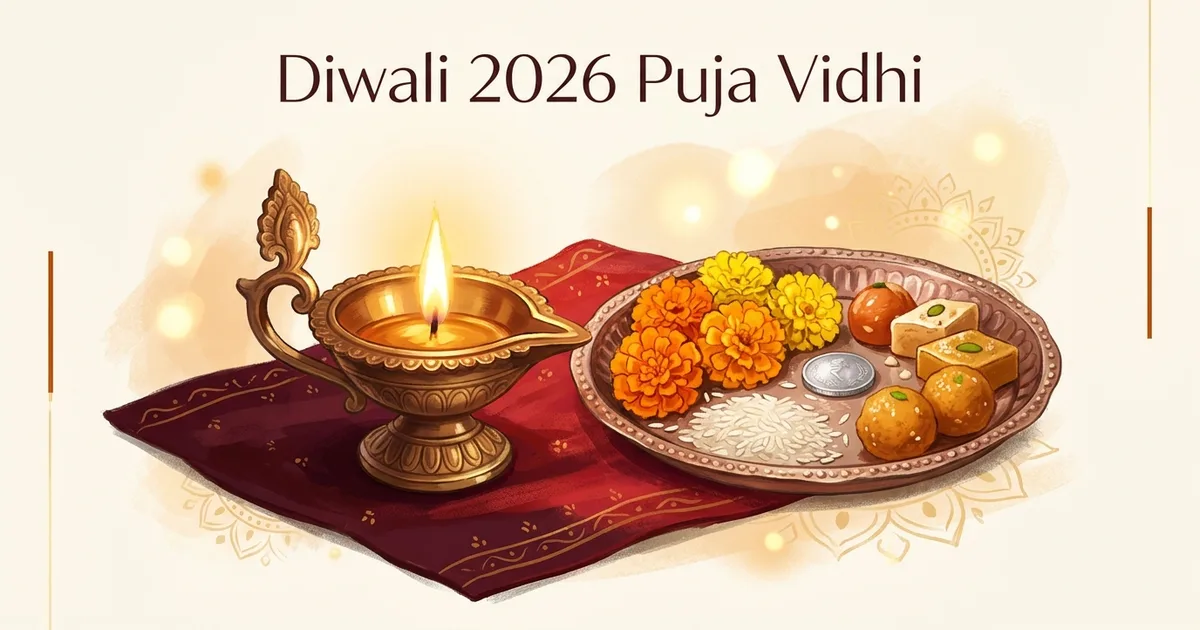
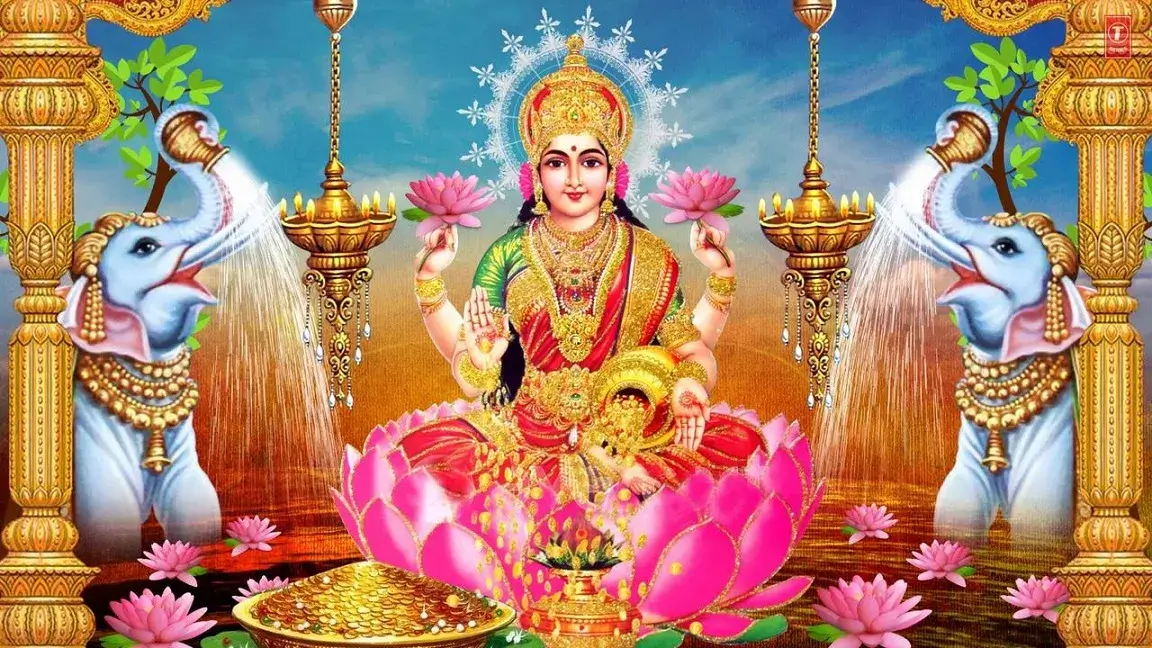
Diwali in 2026 falls on Sunday 8 November. The main Lakshmi Puja muhurat in New Delhi runs from 5:54 PM to 7:50 PM during Pradosh Kaal and Vrishabha Kaal. Devotees gather at dusk to light clay lamps, offer prayers to Goddess Lakshmi and Lord Ganesha, and celebrate the victory of light over darkness.
Dates for 2026, checked against Drik Panchang (New Delhi) on 30 October 2026. Muhurat times vary by city because sunrise and sunset differ, so check yours on Drik Panchang. We update this page every year.
When is Diwali 2026? Date and Lakshmi Puja muhurat
In 2026, Diwali (Deepavali) is observed on Sunday 8 November. The festival takes place on the Amavasya tithi (new moon day) of the Hindu lunar month of Kartik.
According to the Hindu calendar, Kartik Amavasya tithi begins at 11:27 AM on Sunday 8 November 2026 and concludes at 12:31 PM on Monday 9 November 2026. Because Lakshmi Puja is traditionally performed in the evening when Amavasya tithi prevails during Pradosh Kaal, the main rituals across India are held on Sunday night.
The most auspicious time to perform Lakshmi Puja is during Pradosh Kaal, after sunset, especially when a fixed ascendant (Sthir Lagna) such as Vrishabha Lagna is rising. Worshipping during Sthir Lagna reflects the devotee’s wish for the divine presence to remain steady in their household.
| Auspicious Window | Timing (New Delhi) | Duration |
|---|---|---|
| Lakshmi Puja Muhurat | 05:54 PM to 07:50 PM | 1 hour 56 mins |
| Pradosh Kaal | 05:31 PM to 08:09 PM | 2 hours 38 mins |
| Vrishabha Kaal (Sthir Lagna) | 05:54 PM to 07:50 PM | 1 hour 56 mins |
| Mahanishita Kaal | 11:39 PM to 12:31 AM (9 Nov) | 52 mins |
| Amavasya Tithi Begins | 11:27 AM on 8 November 2026 | |
| Amavasya Tithi Ends | 12:31 PM on 9 November 2026 |
Sunrise and sunset differ across locations, which means local muhurat and tithi timings vary by city. If you live outside New Delhi, in cities such as Mumbai, Bengaluru, Kolkata, or abroad, check your local timings on Drik Panchang before beginning your puja.
The 5 days of Diwali 2026: Complete festival calendar
Diwali is celebrated over five sacred days in most regions of India. Each day carries its own rituals, traditions, and scriptural significance:
| Day | Festival | Date (2026) | Spiritual Significance |
|---|---|---|---|
| Day 1 | Dhanteras (Dhantrayodashi) | Friday 6 November | Dedicated to Lord Dhanvantari and Goddess Lakshmi; buying metal utensils or gold is popular tradition. |
| Day 2 | Choti Diwali (Narak Chaturdashi) | Saturday 7 November | Commemorates Krishna and Satyabhama defeating the demon Narakasura. |
| Day 3 | Diwali & Lakshmi Puja | Sunday 8 November | The main festival of lights, dedicated to Goddess Lakshmi and Lord Ganesha during Amavasya. |
| Day 4 | Govardhan Puja (Annakut) | Tuesday 10 November | Commemorates Lord Krishna lifting Mount Govardhan to shelter the residents of Vrindavan. |
| Day 5 | Bhai Dooj (Yama Dwitiya) | Wednesday 11 November | Celebrates the bond between brothers and sisters through tilak and shared meals. |
In 2026, there is a one-day transition between Choti Diwali and Govardhan Puja because Amavasya extends through Monday midday, placing Govardhan Puja on Tuesday 10 November.
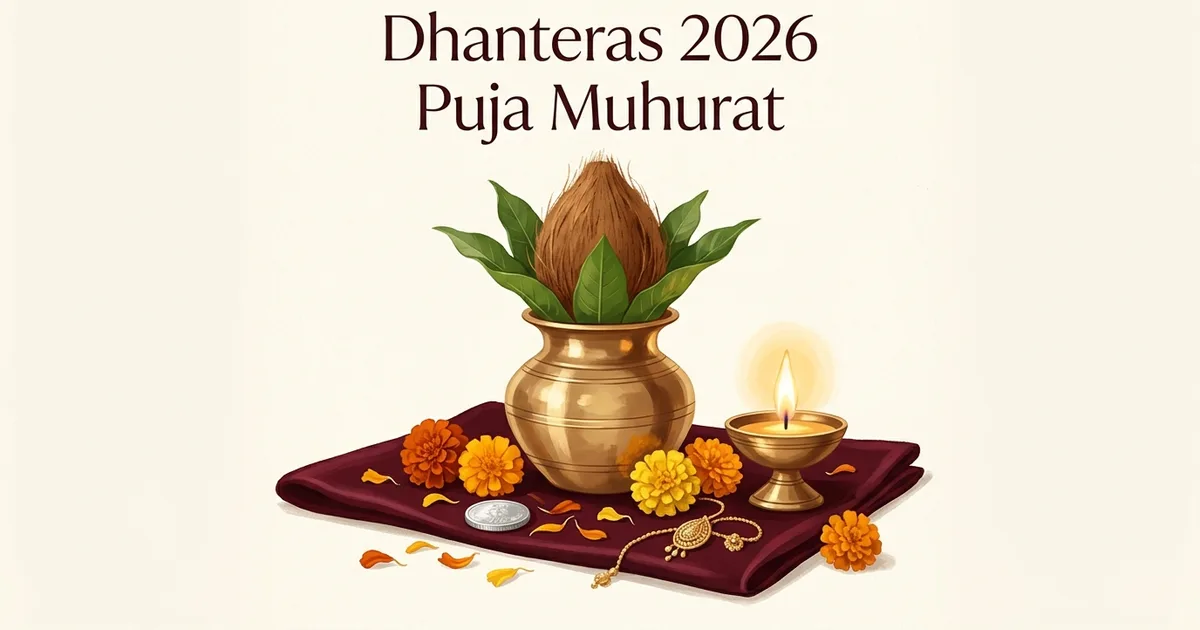
For exact purchasing muhurat, samagri and evening vidhi on the opening day, read our Dhanteras 2026 guide.
Diwali Lakshmi Puja vidhi step by step
You can perform the traditional Diwali Lakshmi Puja at home with your family. Follow these six steps adapted from the reference edition of Gita Press Nitya Karma Puja Prakash:
- Cleanse and prepare the altar: Clean your home and the puja area thoroughly before sunset. Set up a low wooden platform (chowki) facing east or north, and spread a clean red cloth over it. Place a fistful of raw grains in the centre.
- Establish the Kalash: Place a copper or brass kalash filled with clean water on the grains. Add a betel nut (supari), a clean coin, and five fresh mango leaves around the rim. Place an unpeeled coconut wrapped in red sacred thread (moli) across the neck of the kalash.
- Place the deities: Set the clay idols of Goddess Lakshmi and Lord Ganesha on the platform. By tradition, Lord Ganesha is placed to the right side of Goddess Lakshmi.
- Offer initial invocation: Sprinkle water over the setup and yourself with a flower or mango leaf for purification. Invoke Lord Ganesha first with fresh flowers and unbroken rice grains (akshat), honouring his role in removing hurdles.
- Offer Shodashopachara rituals: Offer sacred roli, chandan paste, and akshat to the deities. Present fresh marigold garlands or red flowers. Light fragrant dhoop sticks and pure ghee lamps. Offer traditional bhog of kheel (puffed rice), batashas, seasonal fruits, and sweets.
- Sing aarti and distribute prasad: Wave a lighted ghee diya clockwise before the deities while singing the Lakshmi Aarti with your family. Bow in quiet prayer, distribute prasad, and place lit clay diyas in every doorway of your home.
Puja samagri checklist
Preparing your samagri beforehand helps ensure the evening puja flows calmly:
| Category | Recommended Items |
|---|---|
| Deities | Idols or framed pictures of Goddess Lakshmi, Lord Ganesha, and Goddess Saraswati |
| Altar Setup | Wooden chowki, clean red cloth, copper or brass kalash, clean coconut, mango leaves |
| Offerings | Roli (kumkum), unbroken raw rice (akshat), turmeric powder, sandalwood paste, sacred thread (moli) |
| Lamps & Light | Clay diyas, mustard oil or pure ghee, cotton wicks, dhoop sticks, camphor |
| Prasad & Bhog | Kheel (puffed rice), batashas (sugar drops), fresh seasonal fruits, traditional sweets |
| Flowers | Fresh marigold garlands, lotus flowers, tulsi leaves for Lord Vishnu, durva grass for Lord Ganesha |
Mantras and aarti to recite on Diwali
Devotees begin Diwali prayers by seeking the blessings of Lord Ganesha:
ॐ गं गणपतये नमः॥
Om Gam Ganapataye Namah
Meaning: Om Gam, salutations to Ganapati.
Devotees then recite the invocation mantra of Goddess Lakshmi:
ॐ महालक्ष्म्यै नमः॥
Om Mahalakshmyai Namah
Meaning: Om, salutations to Mahalakshmi.
For a deeper devotional recitation, devotees chant the opening verse of the Mahalakshmi Ashtakam:
नमस्तेऽस्तु महामाये श्रीपीठे सुरपूजिते।
शङ्खचक्रगदाहस्ते महालक्ष्मि नमोऽस्तु ते॥
Namastestu mahamaye shripithe surapujite Shankhachakragadahaste mahalakshmi namostu te
Meaning: Salutations to you, the great maya, worshipped by the gods at the sacred seat. Holding the conch, discus and mace, Mahalakshmi, salutations to you.
Devotees chant these mantras 11, 21, or 108 times. Count your 108 with the japa counter in the Chantly app. Many families also recite the sacred Lakshmi Chalisa and sing the Shree Ram Stuti to complete the evening worship. Devotees can also explore traditional prayers on the Goddess Lakshmi guide, or find more celebrations in the Festivals archive.
Why Diwali is celebrated: History and significance
In Hindu tradition, Diwali marks several sacred milestones that celebrate righteousness and spiritual light.
The most widely known account commemorates the return of Bhagwan Ram, Mata Sita, and Lakshmana to Ayodhya after 14 years in exile and the defeat of the demon king Ravana. To welcome their beloved prince on the dark night of Kartik Amavasya, the people of Ayodhya illuminated the entire kingdom with rows of clay oil lamps, giving the festival its name, Deepavali.
Popular tradition also honours the Samudra Manthan, the churning of the cosmic milk ocean by the devas and asuras. Tradition holds that on Kartik Amavasya, Goddess Lakshmi emerged from the ocean waves, carrying a lotus and bestowing grace and harmony upon the cosmos.
In Western and Southern India, celebrations also mark Lord Krishna and Satyabhama defeating the tyrant Narakasura on Narak Chaturdashi, symbolising the overcoming of darkness and fear.
Diwali 2027 date in India and upcoming calendar
For devotees planning ahead, the Diwali 2027 date in India is Friday 29 October 2027.
In the 2027 India calendar, Diwali falls in late October, about ten days earlier in the solar calendar than in 2026:
| Day in 2027 | Festival | Date | Tithi |
|---|---|---|---|
| Day 1 | Dhanteras | Wednesday 27 October 2027 | Kartik Krishna Trayodashi |
| Day 2 | Narak Chaturdashi | Thursday 28 October 2027 | Kartik Krishna Chaturdashi |
| Day 3 | Diwali & Lakshmi Puja | Friday 29 October 2027 | Kartik Krishna Amavasya |
| Day 4 | Govardhan Puja | Saturday 30 October 2027 | Kartik Shukla Pratipada |
| Day 5 | Bhai Dooj | Sunday 31 October 2027 | Kartik Shukla Dwitiya |
In October 2027, the five-day festival concludes on the final day of the month. You can review upcoming festival dates on the Indian festivals calendar.
Dos and don’ts for Diwali puja
Following respectful practices helps maintain a serene devotional atmosphere:
- Do clean the altar and home thoroughly before sunset.
- Do place Lord Ganesha to the right of Goddess Lakshmi on the chowki.
- Do check local sunset and Pradosh Kaal timings for your city before beginning.
- Do keep water nearby for safety around oil lamps and firecrackers.
- Don’t leave burning diyas unattended near fabrics or curtains.
- Don’t use chipped or broken clay murtis on the altar.
- Don’t disturb the main four-wick lamp during the night.
Count your 108 with Chantly.
Tap the circle to try it. In the app, the counter keeps your rounds and stays private to you.

Chantly's guides are written and checked by the Chantly editorial team. Read our editorial policy.